Licensed doctors 24/7 across Mauritius

Mauritius health guide

Mauritius travel advice

Doctor-written health guidance for holidaymakers, expats and students in Mauritius: what to pack, how to stay well in the tropics, when a symptom needs attention, and who to call at three in the morning.

Hikers on the UNESCO-listed Le Morne trail in Mauritius

Before you fly

Before you arrive & every day on the island

Mauritius asks for a yellow fever certificate only if you are arriving from, or have transited through, a country where yellow fever is present. For most visitors no vaccination is compulsory, but routine cover such as tetanus, measles and hepatitis A is worth checking with your own doctor a few weeks before you fly.

Bring prescription medication in its original packaging, with a copy of the prescription or a short letter from your doctor, and pack enough for your stay plus about a week. Some medicines that are routine at home are restricted or simply unavailable here, so ask us before you travel rather than after you land.

The island is warm and humid for most of the year, and almost everyone underestimates the first forty-eight hours. Slow down on day one, drink more than you think you need, and keep the hardest walking or sport for the early morning.

  • Keep photos of your prescriptions, insurance card and passport on your phone and in the cloud.
  • Choose sealed bottled or filtered water when you are unsure, and use oral rehydration salts after a long flight, a hike or a stomach upset.
  • Eat food that is freshly cooked and served hot, and peel fruit yourself. Mild traveller's diarrhoea is common and usually settles with rest, fluids and simple advice.
  • Use SPF 50, a hat and shade between 10am and 3pm: the UV index in Mauritius regularly reaches extreme levels, even on cloudy days.

Season by season

When to visit, and what your body should expect

Mauritius is a year-round destination, but every season has its own health profile. Knowing what is coming means you spend more of your holiday enjoying the island and less of it recovering indoors.

November to April, hot and humid

Coastal days of 25 to 33°C with high humidity. This is when we see the most heat exhaustion, dehydration, and skin or ear infections after long days in the water. It is also the cyclone and heavy-rain window, so keep a few spare days of medication in reserve.

May to October, cooler and drier

Roughly 18 to 26°C on the coast and windier in the south and east. These are the best months for hiking and long days outdoors, but the sun is still strong, and cooler evenings bring the coughs, colds and flu-like illnesses that travel well on long flights.

Cyclone season, calmly explained

Warnings are issued in classes and your hotel will brief you at each stage. Keep your phone charged, your medication with you and bottled water in the room. Our team works through the alerts, and when it is not safe to travel we consult by phone or video instead.

Mosquitoes and dengue awareness

Mauritius is malaria-free, but dengue can circulate during the warm, wet months. Use a repellent containing DEET or icaridin at dawn and dusk, cover up outdoors, and sleep with screens or air conditioning. Call us for any fever above 38.5°C with headache or muscle pain.

Turquoise coastal waters off the Le Morne peninsula in Mauritius

If something goes wrong

Insurance, emergencies & pharmacies

Most international travel policies cover medical assistance in Mauritius when care is arranged through an approved local provider. Send us your policy number and your insurer's assistance line early: where direct billing is possible we settle with the insurer and you avoid paying upfront.

If you feel unwell, call 86115. A coordinator takes your details, a doctor decides with you whether this needs a teleconsultation, a visit to where you are staying, or a hospital, and we stay with the case until you are better or safely handed over.

Mauritius has both public hospitals and private clinics, and they suit different situations. We advise which is appropriate for your condition and your cover, then coordinate the admission, the paperwork and the reports your insurer will ask for.

  • Save our 24/7 hotline 86115 and our WhatsApp number in your phone before you land.
  • E-prescriptions issued by our doctors are accepted at major pharmacies across the island.
  • We will tell you which pharmacy is open near you, including the night-duty rota.
  • Keep every invoice and medical report: your insurer will need them for reimbursement.
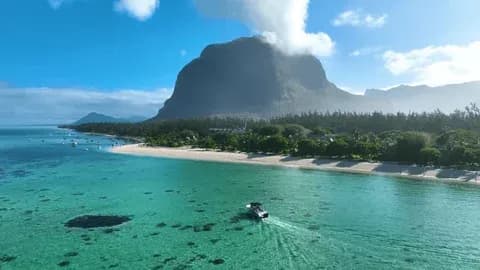
Boat crossing the turquoise lagoon below Le Morne Brabant in Mauritius

In and on the water

Lagoons, beaches and water activities

The lagoon looks like a swimming pool and behaves like the sea. Currents run fast where the reef opens into channels, boat traffic is heavy near the launch sites, and the calmest-looking water can still pull a confident swimmer away from the shore.

Most of the marine injuries we treat are avoidable: sea-urchin spines on rocky entries, coral grazes that look trivial and become infected within a day in warm water, and the occasional stonefish sting, which is rare but a genuine emergency.

If you are diving, respect the interval between your last dive and your flight home, and speak to a doctor before flying if you have had any ear, sinus or breathing trouble underwater.

  • Swim on supervised beaches, stay clear of the reef passes, and never swim alone at dusk.
  • Wear reef shoes on rocky entries, and never stand on or touch coral.
  • Clean and disinfect every coral or urchin injury the same day, because warm-water wounds become infected quickly.
  • Leave at least twenty-four hours between your last dive and your flight home.
  • For a stonefish or stingray injury, leave the water, immerse the limb in hot water and call 86115 immediately.
Hiker resting above the lagoon at the summit of Le Morne in Mauritius

Inland and on the trails

Hiking, heat and inland adventures

Le Morne, Black River Gorges, Tamarind Falls and the Chamarel trails are the best of the island and the source of a steady stream of our weekend calls. Almost all of them come down to the same three things: starting too late, carrying too little water, and wearing the wrong shoes.

Basalt and red clay stay slippery for hours after rain, phone coverage is patchy in the gorges, and canyons can flood quickly during a downpour. Walk with a guide on the harder routes, and tell someone at your hotel which trail you are taking and when you expect to be back.

If you turn an ankle or come back with heat exhaustion, we can see you where you are staying and arrange an X-ray or a specialist if the examination suggests something more than a sprain.

  • Start at sunrise: by mid-morning it is the heat and humidity that do the damage, not the distance.
  • Carry one and a half to two litres of water per person for a half-day walk, plus something salty or an electrolyte sachet.
  • Wear shoes with real grip, because trainers slide on wet basalt.
  • Turn back in heavy rain rather than pushing on through a gorge.
  • Headache, nausea, cramps or confusion in the heat means stop, find shade, drink, and call 86115.

Good to know

Practical health information at a glance

The things our guests ask about most often, in roughly the order they need them.

Emergency numbers

TouristDoctor answers on 86115, twenty-four hours a day, every day of the year. The national ambulance service is 114 and the police are 999. Save all three before you travel.

Water and food

Tap water is treated and generally safe in the main residential and tourist areas, though it tastes different from home. Bottled or filtered water is the simpler choice for short stays and sensitive stomachs. Street food is fine when it is freshly cooked and served hot.

Pharmacies

Every main town has a well-stocked pharmacy, and familiar medicines are often sold under different brand names. Opening hours vary and a night-duty rota covers the island, so call us and we will point you to the closest one that is open.

Languages

Our consultations are held in English, French or Creole. If your medical history is complex and written in another language, bring a short summary: it saves time and avoids misunderstandings.

Insurance and payment

We bill many international insurers directly. Where that is not possible you pay at the time of the consultation, and we provide an itemised invoice and a medical report for your reimbursement claim.

Care where you are

Most of our consultations happen where you are staying, whether that is a hotel room, a villa, a boat or the airport, rather than in a waiting room. In the main tourist regions a doctor is typically with you within the hour.

Quick checklist before you head out

Thirty seconds now, and most of what sends visitors home early is already handled.

  • Download our App, SOS Doctor
  • Save our 24/7 hotline 86115 and WhatsApp contact in your phone before you land.
  • Carry your travel insurance policy number and emergency assistance card.
  • Drink bottled or filtered water if you are unsure about local supply.
  • Use high-SPF sunscreen, a hat and shade during midday hours.
  • Apply mosquito repellent at dawn and dusk, especially in the warm, wet months.
  • Keep a basic kit: plasters, antiseptic, oral rehydration salts, pain relief, an antihistamine and your regular prescriptions.
  • Do not dive within twenty-four hours of your flight home.
  • For chest pain, breathing difficulty, severe bleeding or confusion, call 86115 immediately.

Travel health FAQs

Questions visitors ask us most

Straight answers from the doctors who take the calls. If your question is not here, message us and a coordinator will answer it.

Do I need vaccinations to travel to Mauritius?

No vaccination is compulsory for most travellers. A yellow fever certificate is required only if you are arriving from, or have transited through, a country where yellow fever is present. Make sure routine cover such as tetanus, measles and hepatitis A is up to date, and speak to your own doctor a few weeks before departure if you have a chronic condition.

Is there malaria or dengue in Mauritius?

Mauritius is malaria-free, so no antimalarial tablets are needed for the island itself. Dengue, spread by day-biting mosquitoes, can circulate during the warm and wet months from around November to April. Use repellent, cover up at dawn and dusk, and call us for any fever above 38.5°C with headache, muscle or joint pain.

Is tap water safe to drink in Mauritius?

Tap water is treated and generally safe in the main residential and tourist areas, but it tastes different from what you are used to and can unsettle a sensitive stomach. For a short holiday, bottled or filtered water is the simpler choice. Ice served in hotels and established restaurants is made with treated water.

What should I do if I fall ill at my hotel?

Call 86115 or message us on WhatsApp. A coordinator takes your details and symptoms, and a doctor decides with you whether a teleconsultation is enough or whether you should be seen in person. In the main tourist regions a doctor is typically with you within the hour and can issue a prescription on the spot.

Will my travel insurance cover a doctor in Mauritius?

Most international travel policies cover medical assistance in Mauritius when care is arranged through an approved local provider. Share your policy number and your insurer's assistance line as early as possible: where direct billing is available we invoice the insurer, and otherwise we give you an itemised invoice and a medical report for your claim.

Can I get a prescription refilled while on holiday?

Yes, after a consultation. Bring the original packaging or a copy of your prescription so the doctor can match the medicine and the dose to what is available locally. Some medicines that are routine at home are restricted or unavailable in Mauritius, so it is always safer to travel with enough for your whole stay.

How quickly can a doctor reach me in Mauritius?

It depends on where you are and on the time of day. In the main coastal tourist regions a doctor is typically with you within the hour, and remoter parts of the island take longer. Urgent cases are triaged first, and while you wait our coordinators stay in contact and tell you what to do in the meantime.

Can I see a doctor before flying home?

Yes. We carry out fitness-to-fly assessments, write the medical reports that airlines and insurers ask for, and advise on the safe interval between diving and flying. If you have been unwell during your stay, a short pre-flight consultation is often all it takes to travel with confidence.

Not feeling well on holiday?

Licensed doctors, available 24/7 by phone, WhatsApp, video or a visit to your hotel, villa or boat anywhere in Mauritius.

86115WhatsApp